November 5, 2026
Older homes often have distinctive architectural details and layouts, but their electrical systems may not be equipped for today's demands. Wiring, panels, outlets, and protective devices installed decades ago were designed for households with fewer appliances and electronics. As families add home offices, entertainment systems, and high-powered equipment, aging components can struggle to support everyday activities. Modernization is about more than adding outlets or replacing light fixtures. It involves evaluating the entire system, identifying potential hazards, and making practical improvements that support safety, convenience, and efficiency. Even seemingly minor upgrades can reveal issues that are difficult to detect without professional testing. An electrical contractor can help homeowners understand which updates deserve immediate attention and which can be scheduled as part of a longer-term renovation plan.
Assessing the Existing Electrical System
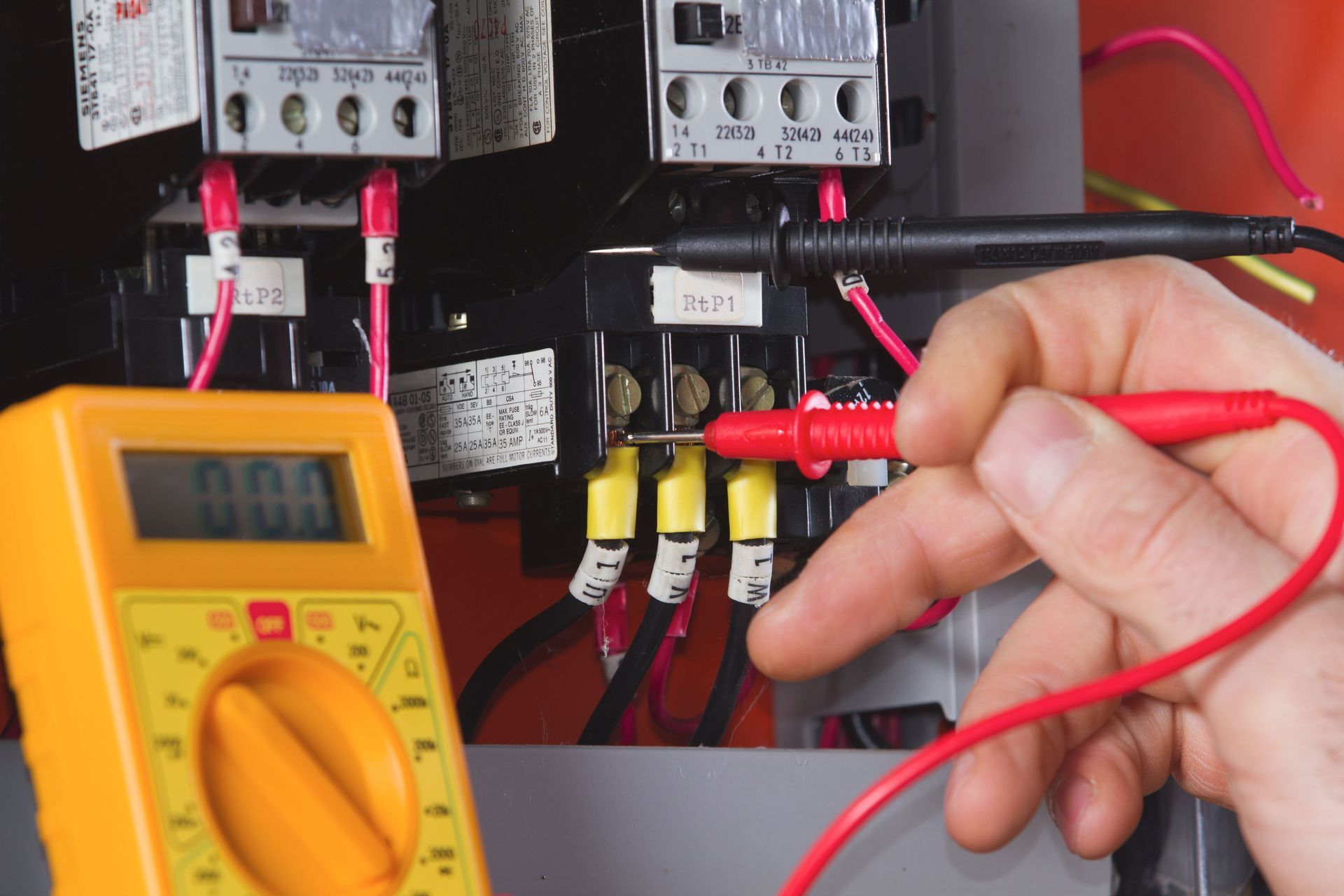
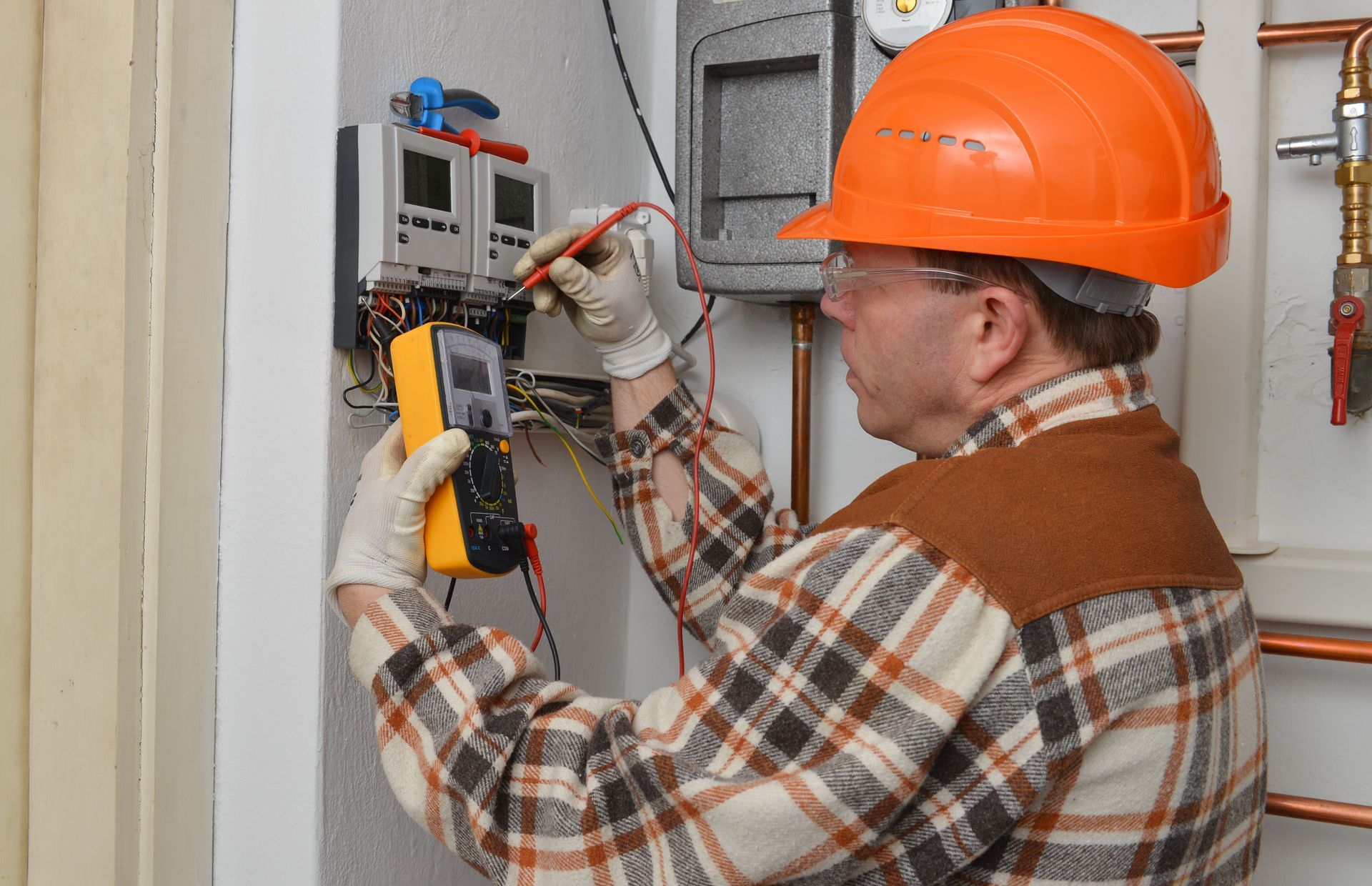
A successful modernization project begins with a thorough assessment. An electrical contractor can inspect the service panel, visible wiring, receptacles, switches, and grounding to identify issues that need attention. Frequent breaker trips, flickering lights, warm outlets, and unusual buzzing sounds may indicate underlying problems, although their causes vary. Homeowners should not ignore these warning signs or attempt to diagnose issues inside electrical equipment themselves.
The evaluation should also consider how electricity is used throughout the property today. A house with several computers, kitchen appliances, and heating or cooling equipment may have very different requirements from when it was built. Reviewing existing circuits alongside anticipated improvements helps establish a realistic scope of work. The electrician may also document existing conditions and separate immediate concerns from routine recommendations. This approach reduces the chance of investing in cosmetic upgrades while more significant electrical limitations remain unaddressed.
Upgrading Outdated Electrical Panels
The electrical panel distributes power to circuits throughout the home and provides overcurrent protection. In older properties, a panel may have limited space for new circuits, deteriorating components, or equipment that warrants closer examination. An electrical contractor can determine whether repairs, panel replacement, or an increase in electrical service capacity is appropriate. Replacing a panel does not automatically increase the amount of power available; that may require separate service equipment and utility coordination.
Panel upgrades can make it easier to accommodate additional appliances and dedicated circuits. They also create an opportunity to improve circuit identification so homeowners know which breakers control particular areas. Before recommending changes, the electrician should consider the condition of the existing equipment, calculated electrical loads, and applicable local requirements. For homes planning electric vehicle charging, capacity calculations become particularly important before equipment is purchased. The goal is a properly sized installation that meets current needs without unnecessary work.
Replacing Damaged or Obsolete Wiring
Wiring hidden behind walls can remain in service for many years, but age, deterioration, improper modifications, and outdated installation methods may introduce concerns. Some older homes contain ungrounded circuits or wiring types that require special evaluation. An electrical contractor can inspect accessible areas, perform appropriate testing, and explain whether targeted repairs or broader rewiring are advisable. Not every older wiring system needs complete replacement simply because of its age.
When rewiring is necessary, planning can limit disruption. Homeowners may choose to coordinate electrical work with kitchen renovations, bathroom updates, or other projects that already involve opening walls. New wiring can support safer connections, appropriate grounding, and circuits sized for the equipment they serve. Clear discussions about wall access, repairs, and scheduling also help homeowners understand the full extent of the project before work begins.
Adding Circuits and Convenient Outlets
Older floor plans frequently have fewer receptacles than modern households need. This can lead to crowded power strips, extension cords stretched across rooms, and inconvenient furniture arrangements. An electrical contractor can recommend additional outlets in useful locations while checking whether existing circuits have sufficient capacity. Installing more receptacles without addressing overloaded circuits may leave the central problem unresolved.
Dedicated circuits may be appropriate for certain kitchen appliances, laundry equipment, heating systems, or other substantial loads. In a home office, accessible receptacles and well-planned wiring can make it easier to arrange computers, monitors, and charging equipment without temporary cords. Outlet placement should account for daily routines and future furniture changes. Thoughtful planning improves functionality while helping reduce reliance on improvised electrical setups that are not intended for permanent use.
Improving Electrical Safety Features
Modern electrical protection includes more than standard circuit breakers. Ground-fault circuit interrupters help reduce shock hazards in locations where electricity and moisture may come into contact. Arc-fault circuit interrupters detect certain hazardous arcing conditions and can help reduce fire risks. An electrical contractor can review where these protections are needed based on the home's configuration and the electrical code adopted locally.
Grounding and bonding deserve attention as well, particularly when an older system has been modified over time. Whole-home surge protection may also help protect connected devices from certain voltage spikes, although no device prevents all surge damage. Homeowners should ask about required permits and inspections before major work starts. Testing existing protective devices can reveal failures that are not obvious during normal daily use. Combining updated safety features with sound installation practices provides a more complete improvement than relying on any single protective device.
Installing Efficient Lighting and Controls
Lighting upgrades offer a noticeable way to improve an older home without necessarily changing its character. Replacing inefficient bulbs, updating poorly positioned fixtures, and adding task lighting can make rooms more comfortable for cooking, reading, or working.
According to ENERGY STAR, LED bulbs provide the same brightness as traditional bulbs while using 90% less energy and lasting 15 times longer. These benefits can lower electricity use and reduce how often bulbs need replacement.
An electrical contractor can also evaluate compatibility between LED lamps, dimmer switches, and existing fixtures. Motion sensors, timers, and smart controls may provide added convenience in hallways, exterior areas, and frequently used rooms. Lighting plans should balance brightness, fixture placement, and personal preferences rather than focusing only on new technology. Homeowners can also select warmer or cooler light tones to better suit each room's purpose. Small changes can complement larger electrical improvements while making everyday spaces easier to use.
Preparing for Future Electrical Needs
Modernizing an electrical system should account for changes homeowners may make in the coming years. Electric vehicle charging, home additions, upgraded heating and cooling equipment, and new kitchen appliances can all affect electrical demand. An electrical contractor can discuss potential load requirements before homeowners commit to equipment or construction plans. Considering these possibilities early may help avoid repeating work when another project begins.
Some upgrades can be completed in phases, starting with urgent repairs and essential safety improvements. Later phases might include additional circuits, lighting changes, or infrastructure for anticipated equipment. Homeowners should request a written scope that identifies recommended work, expected disruptions, and any permit or inspection requirements. With a practical plan, an older home can retain the features that make it appealing while gaining an electrical system better suited to modern living.
Electrical modernization works best when decisions are based on the home's actual condition rather than assumptions about its age. A careful assessment can distinguish necessary repairs from optional improvements and help homeowners prioritize their budgets. Professional guidance also makes it easier to coordinate upgrades with future renovations. Call 45th Property & Power LLC today to schedule your electrical service.