November 17, 2026
Your home's electrical system supports everyday comfort and safety, powering appliances, lighting, heating, and entertainment. However, aging components and increased energy demands can lead to problems over time. Recognizing warning signs early helps Michigan homeowners know when to contact residential electricians. Whether you own an older home or a recently renovated one, addressing unusual electrical behavior promptly can help prevent more serious issues and maintain a reliable electrical system.
Recognizing Frequent Circuit Breaker Trips
Circuit breakers are designed to protect your home by interrupting electrical power when a circuit becomes overloaded or experiences certain electrical faults. Although an occasional trip can happen when several high-demand appliances operate simultaneously, frequent breaker trips should not be ignored.
Repeated interruptions may indicate overloaded circuits, damaged wiring, faulty appliances, or problems within your electrical panel. If breakers continue to trip even when electrical demand is relatively low, an underlying issue may need professional evaluation. Older homes may also have electrical systems that were not designed to accommodate modern appliances, entertainment equipment, and other household technology.
Residential electricians can inspect your electrical panel, evaluate circuit capacity, and identify potential causes of recurring interruptions. Depending on the condition of your system, a repair, additional circuits, or an electrical panel upgrade may provide a more reliable solution. Addressing the problem early can help protect your appliances and reduce the likelihood of unexpected power disruptions.
Noticing Flickering or Dimming Lights
Lights that flicker, dim unexpectedly, or change brightness without an obvious explanation may indicate an electrical problem. While an individual loose bulb can sometimes cause inconsistent lighting, recurring issues across multiple fixtures deserve closer attention.
For example, lights that dim whenever a major appliance starts running may indicate an overloaded circuit or an issue with the electrical connections supplying power to your home. Persistent flickering can also point to loose wiring, deteriorating connections, or problems involving the electrical panel.
These symptoms are particularly important to monitor in older Michigan properties, where electrical components may have experienced years of use. Changes in lighting performance should not automatically be dismissed as ordinary wear and tear.
Professional residential electricians can assess the affected fixtures, wiring, and circuits to determine why the lighting is inconsistent. They can also recommend appropriate fixture replacements, electrical repairs, or system improvements to help restore dependable lighting throughout the property.
Detecting Burning Smells or Unusual Sounds
An unexplained burning odor is one of the more serious warning signs homeowners should recognize. If you notice a persistent smell resembling burning plastic, rubber, or overheated electrical components near outlets, switches, or electrical panels, it could indicate overheating or damaged wiring.
Unusual sounds can also signal electrical concerns. Buzzing, crackling, popping, or sizzling noises coming from an outlet, switch, or panel may suggest loose connections, electrical arcing, or failing components. These conditions can create significant safety concerns if left unaddressed.
Never assume that unusual electrical odors or sounds will disappear on their own. If you notice smoke, sparks, or signs of an active electrical fire, leave the property and contact emergency services. Do not touch damaged equipment or attempt to investigate the source of the problem.
Once the immediate danger has been addressed, a qualified professional can inspect the affected electrical components and determine what repairs are necessary. Prompt attention is important because overheating connections and damaged wiring can increase the risk of electrical fires.
Experiencing Warm Outlets or Switches
Outlets and switches should not feel unusually hot during normal operation. Although some electrical equipment may produce a small amount of warmth, noticeable heat, discoloration, or scorch marks around an outlet or switch can indicate a developing problem.
Potential causes include loose wiring connections, overloaded circuits, damaged receptacles, or deteriorating electrical components. Homeowners should also pay attention to outlets that produce sparks when appliances are connected or disconnected. These symptoms may indicate that the electrical connection is no longer functioning safely.
If an outlet or switch becomes unusually warm, stop using the affected area and arrange for professional assistance. Avoid removing outlet covers or attempting electrical repairs without the appropriate qualifications.
Residential electricians can examine receptacles, switches, and their associated wiring to identify the source of the problem. Replacing damaged components or correcting wiring issues can help restore safe operation while reducing the possibility of additional electrical damage.
Identifying Outdated Wiring and Electrical Panels
Older electrical systems may not provide the capacity, reliability, or safety features expected in modern homes. Properties built several decades ago may still contain outdated wiring, aging panels, or electrical configurations that were designed for significantly lower household energy demands.
This can become particularly noticeable when homeowners add new appliances, renovate rooms, install additional lighting, or expand their living spaces. An electrical system that once adequately supported a household may struggle to accommodate newer equipment and technology.
Warning signs can include frequently tripping breakers, limited outlet availability, inconsistent power, and visible deterioration around electrical components. Some older wiring materials may also require specialized evaluation to determine whether replacement is appropriate.
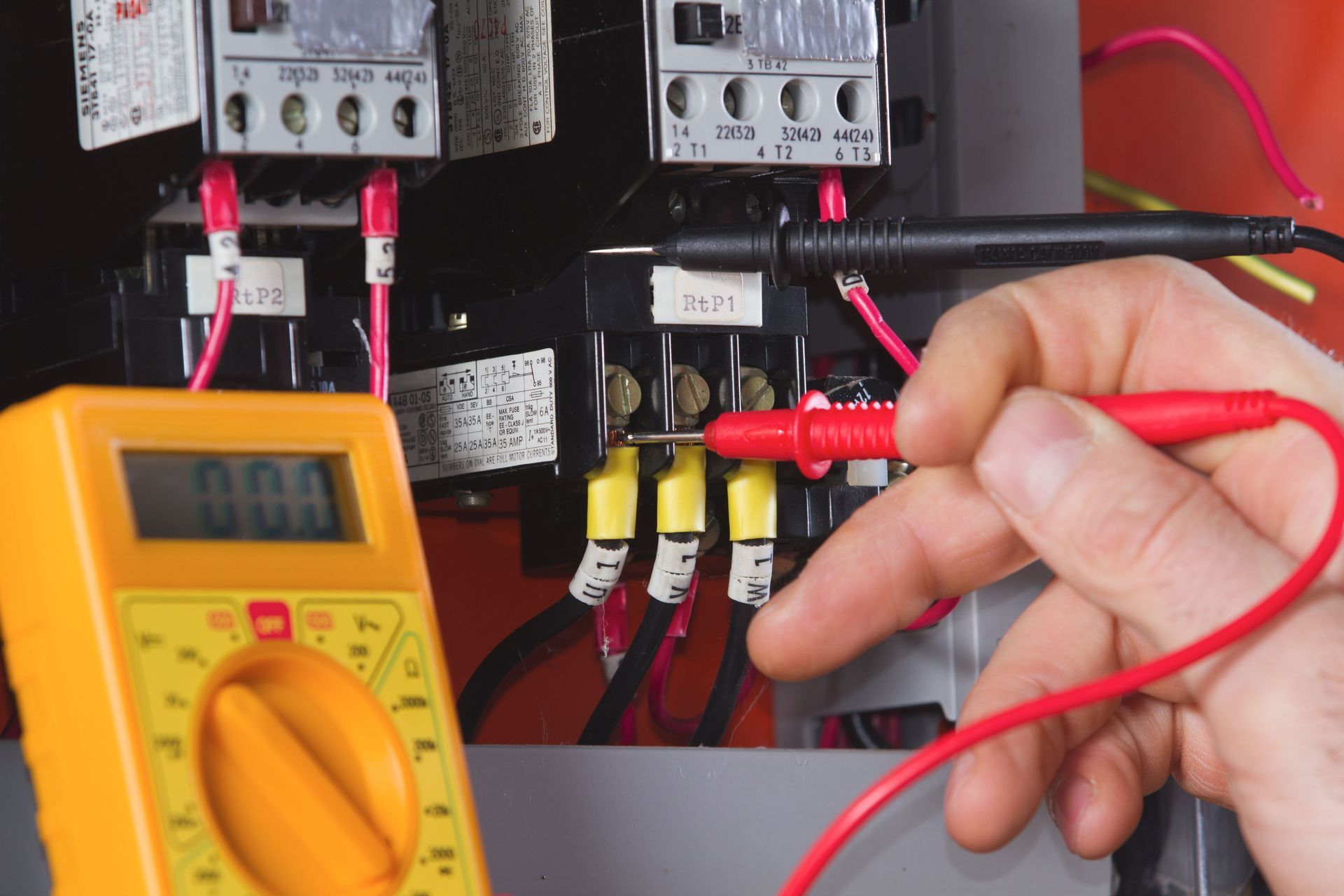
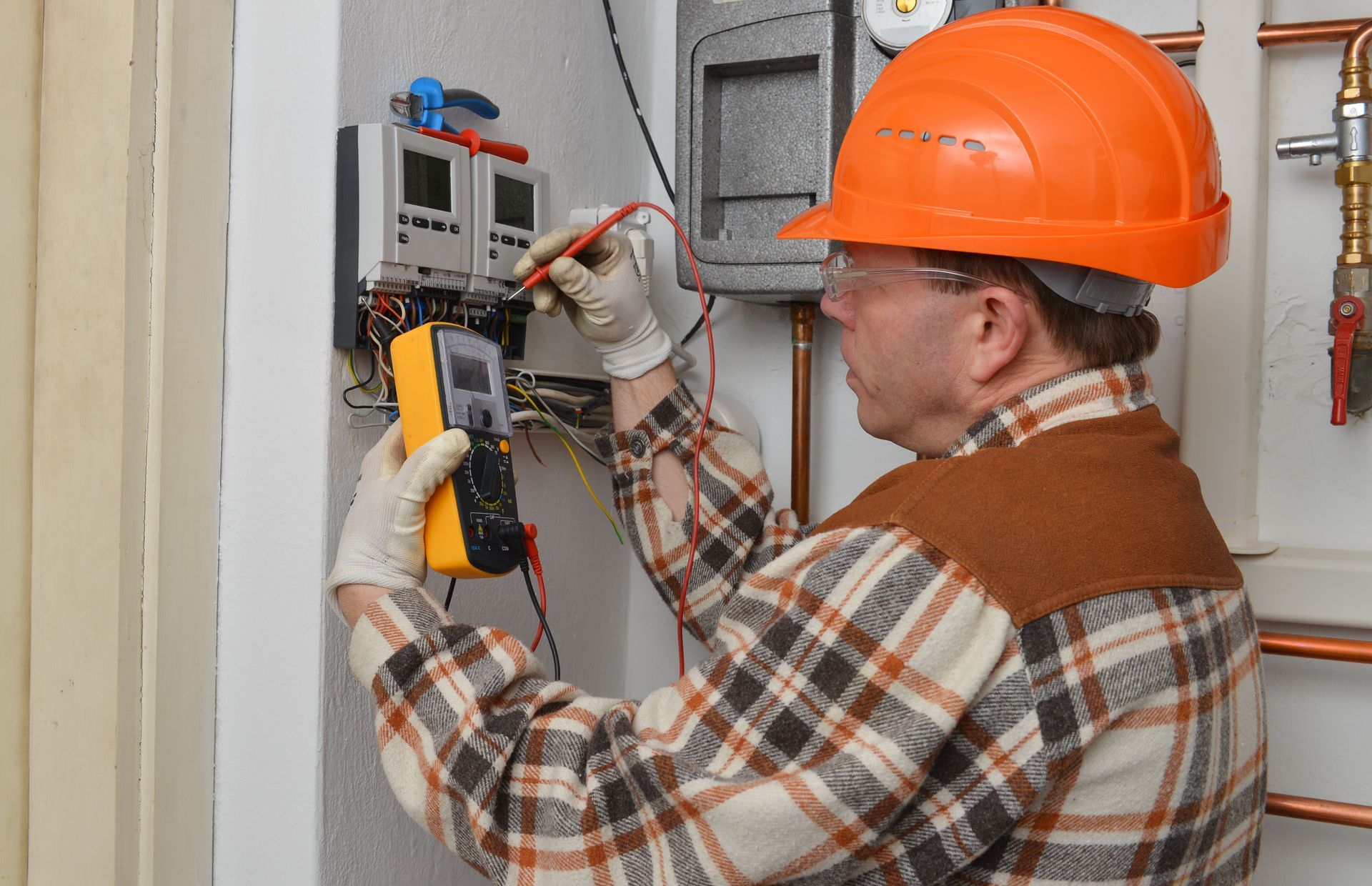
An electrical inspection helps identify potential concerns involving wiring, panel capacity, and grounding. Residential electricians can recommend appropriate repairs or upgrades based on their findings. For Michigan homeowners purchasing older properties or planning renovations, a professional assessment can help determine necessary electrical improvements.
Recognizing the Need for Additional Outlets
A growing household often requires more electrical connections than its original wiring and outlet layout can accommodate. New appliances, home office equipment, entertainment systems, and smart home technology can increase demand throughout different rooms.
When homeowners regularly depend on extension cords or power strips to accommodate everyday equipment, it may indicate that the existing outlet arrangement is no longer sufficient. Overloading electrical receptacles can create unnecessary strain and increase the risk of overheating.
Additional outlets may be especially useful during home renovations, room conversions, and new construction projects. Proper placement can improve convenience while helping ensure electrical access is appropriate for the intended use of each space.
Professional installation is important because adding outlets involves evaluating existing wiring, circuit capacity, and applicable electrical requirements. An electrician can determine the most appropriate locations and whether additional circuits are needed to support the planned electrical load.
Planning Energy-Efficient Lighting Improvements
Increasing energy efficiency is another reason homeowners may benefit from professional electrical services. Older lighting systems can consume more electricity than newer alternatives, while outdated fixtures may provide inconsistent illumination or require frequent maintenance.
According to the U.S. Department of Energy, LED lamps and luminaires are projected to account for approximately 84% of lighting installations by 2035. The agency also estimates that annual energy savings from LED lighting could exceed 569 terawatt-hours by that year, equivalent to the yearly output of more than 92 power plants rated at 1,000 megawatts each.
Energy-efficient LED lighting can reduce electricity consumption while improving illumination throughout your home. Professional installation ensures new fixtures and lighting controls are compatible with your electrical system. Residential electricians can recommend suitable upgrades for interior spaces, outdoor areas, and everyday household needs.
Preparing for Seasonal Electrical Demands
Michigan homeowners face changing electrical demands year-round. Winter heating, holiday lighting, and indoor activities increase usage, while summer air conditioning, outdoor lighting, and appliances can place additional demands on residential electrical systems.
Seasonal changes provide a useful opportunity to consider whether your electrical system is prepared for these demands. Homes with older panels or limited circuit capacity may experience problems when multiple high-demand appliances operate simultaneously.
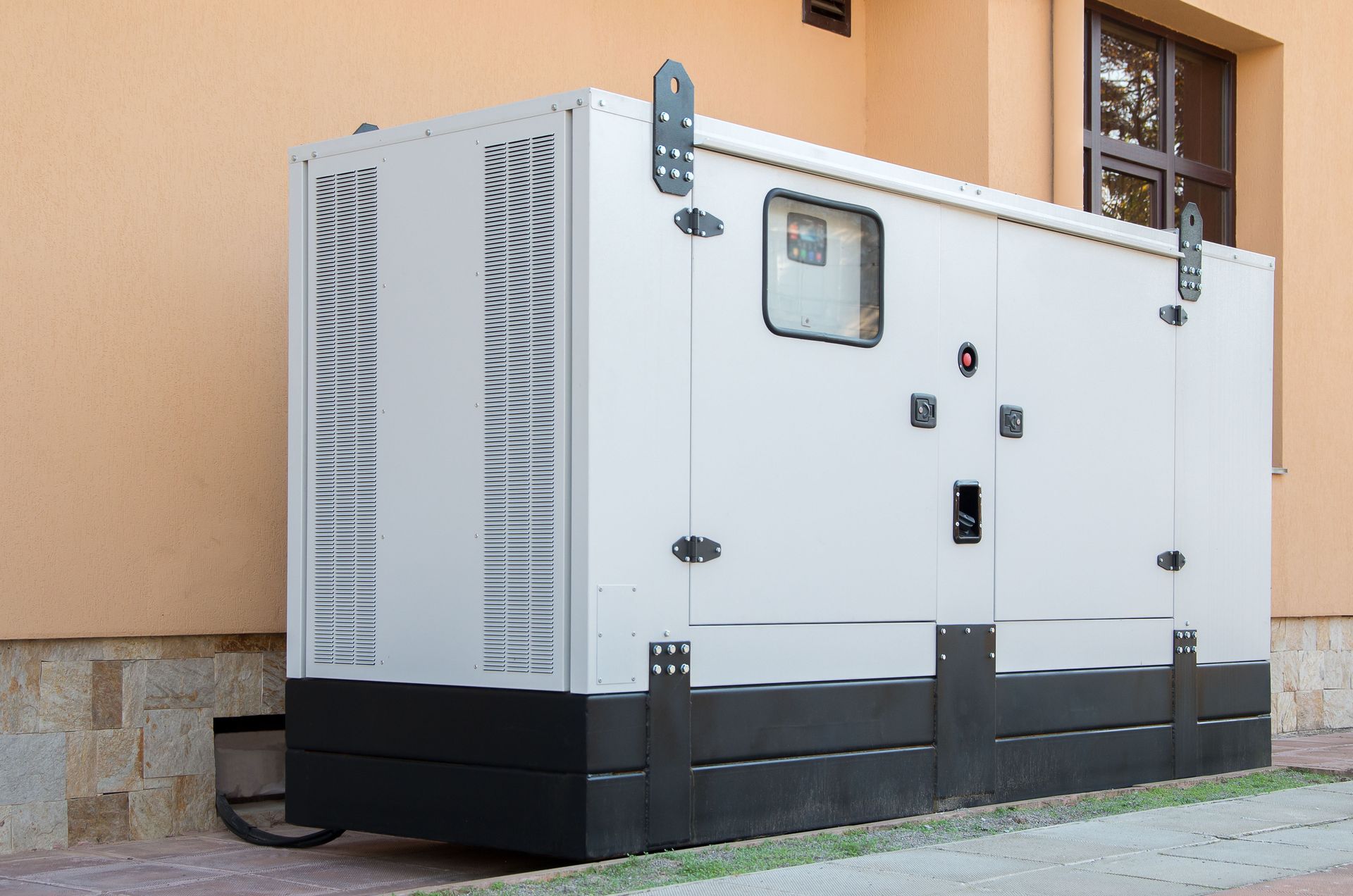
Standby generators are another consideration for Michigan properties, particularly when severe weather creates the possibility of unexpected power interruptions. A professionally installed generator can provide backup electricity for selected household systems when utility power becomes unavailable.
Seasonal inspections and system upgrades help prepare homes for changing electrical demands. Flickering lights, burning odors, and recurring breaker trips warrant professional attention. Experienced residential electricians can identify concerns, recommend repairs, and help homeowners maintain a safe, reliable electrical system.
With over 30 years of combined experience and service throughout the Greater Grand Traverse region, the family-owned company helps homeowners address electrical needs with dependable workmanship. Contact the team at 45th Property & Power LLC to request an estimate and discuss the electrical services that can help keep your home safe, functional, and ready for the future.