November 19, 2026
Electrical systems play an important role in keeping Michigan homes safe, comfortable, and functional throughout the year. From powering heating equipment during freezing winters to supporting air conditioning, lighting, and everyday appliances during warmer months, a home's electrical system handles a wide range of demands.
However, wiring, outlets, panels, and other components can develop problems over time, sometimes without obvious warning signs. Scheduling an inspection with a residential electrician can help homeowners identify potential concerns, understand the condition of their electrical systems, and plan necessary improvements before minor issues become more disruptive.
Regular electrical inspections are also valuable when purchasing a home, completing renovations, or preparing an older property for changing household needs. A professional evaluation provides a closer look at electrical components and helps determine whether they are operating as intended. Understanding the benefits of an inspection can help Michigan homeowners make informed decisions about maintaining their properties.
1. Identifying Potential Electrical Hazards
Electrical problems are not always immediately noticeable. Damaged wiring, loose connections, deteriorating insulation, and overloaded circuits can develop behind walls or inside electrical panels. Although some issues produce visible warning signs, others may remain undetected until they affect the performance or safety of a home's electrical system.
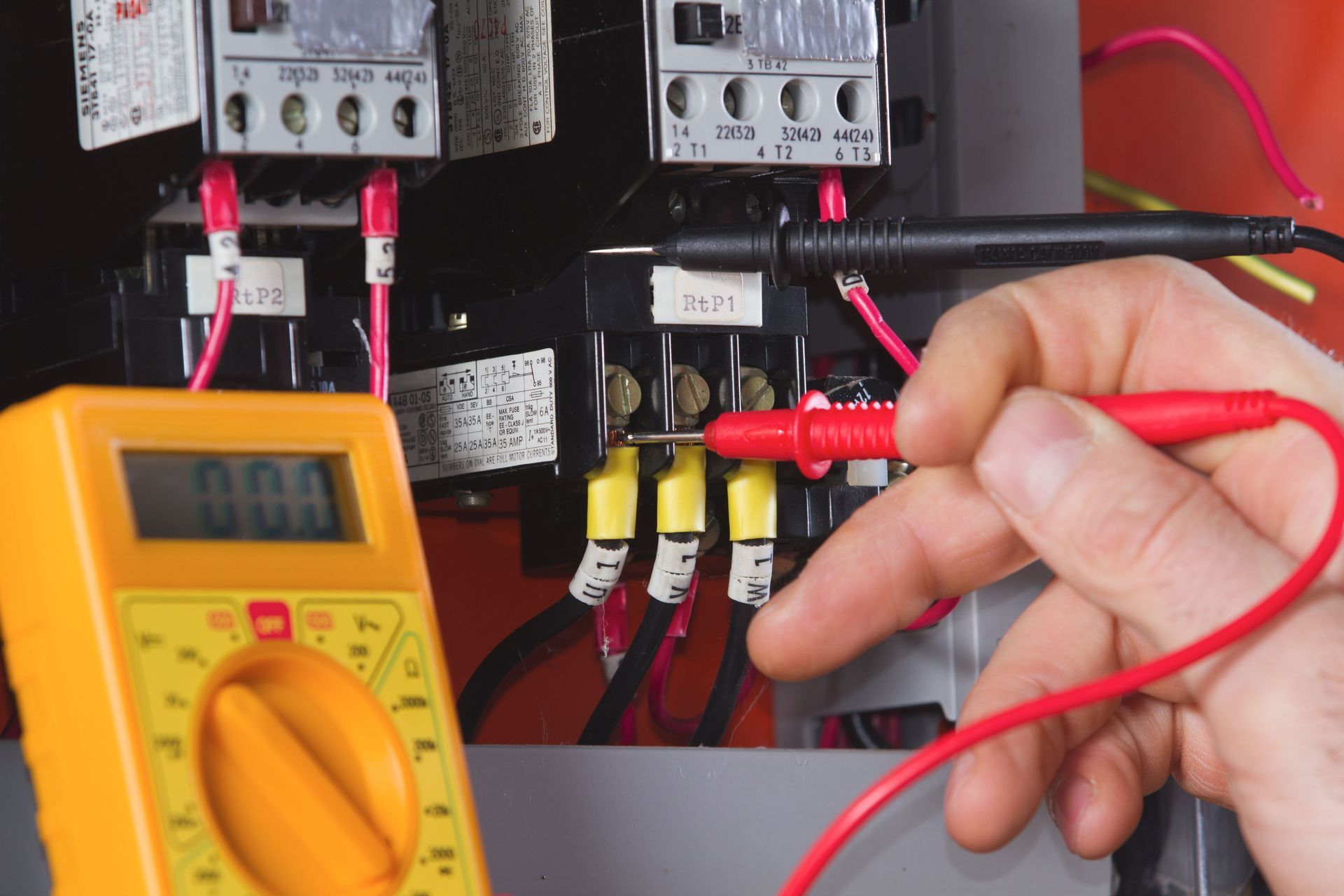
An inspection allows a qualified professional to examine accessible electrical components and look for conditions that could create safety concerns. Signs such as frequently tripping breakers, warm outlets, flickering lights, burning odors, or unusual buzzing sounds deserve attention. These symptoms may indicate an underlying electrical problem that requires further evaluation.
According to TRVST, electricity usually travels at approximately 90% of the speed of light, or 270,000 kilometers per second. This rapid movement helps explain why electrical systems must be properly maintained and why problems involving electrical connections or damaged components should never be ignored. A professional inspection helps identify potential hazards and determine what corrective work may be appropriate.
2. Evaluating Electrical Panel Performance
The electrical panel distributes electricity throughout a home and helps protect individual circuits from excessive current. Because it serves as a central part of the electrical system, its condition can affect the reliability of everyday electrical use. Older panels, damaged breakers, and insufficient electrical capacity may create problems as household energy demands increase.
During an inspection, a professional can evaluate the panel's visible condition, check for signs of deterioration, and consider whether its capacity is appropriate for the property's electrical requirements. Homes with older appliances, new heating and cooling equipment, home offices, or additional living spaces may place different demands on an existing panel than they did when the system was first installed.
A residential electrician can also help homeowners understand whether a panel upgrade or other electrical improvements may be necessary. This assessment is especially useful for Michigan homeowners preparing for renovations or adding equipment that requires dedicated electrical circuits. Evaluating the panel before making major changes can help prevent capacity issues and support dependable electrical performance.
3. Preventing Unexpected Electrical Interruptions
An unreliable electrical system can interfere with daily routines. Flickering lights, inconsistent outlet performance, frequently tripping breakers, and unexpected power interruptions may affect everything from cooking and working remotely to operating essential household equipment. While an occasional interruption may have an external cause, recurring problems can indicate an issue within the home's electrical system.
An inspection provides an opportunity to investigate these concerns and identify components that may require attention. A professional can examine accessible wiring, connections, circuits, and other relevant equipment to help determine why certain parts of the system are not performing consistently.
Preventive attention is particularly valuable during Michigan's colder months, when homeowners depend on electrical systems for lighting, heating equipment, and other essential functions. Although an inspection cannot prevent every outage or equipment failure, identifying developing electrical concerns can help homeowners address certain problems before they lead to more significant disruptions.
4. Preparing Homes for Seasonal Electrical Demands
Michigan experiences significant seasonal changes, and household electrical needs often shift throughout the year. Winter brings increased use of heating equipment, indoor lighting, and other appliances. During spring and summer, homeowners may rely more heavily on air conditioning, outdoor lighting, landscaping equipment, and entertainment systems.
These changing demands can place additional pressure on electrical components, especially in older homes or properties with limited electrical capacity. An inspection can help determine whether the existing system is appropriate for the household's current needs and whether any components show signs of excessive wear or deterioration.
A residential electrician can evaluate electrical conditions that may affect the operation of seasonal equipment and recommend improvements when appropriate. This can be especially helpful before winter weather arrives or when homeowners are preparing outdoor living areas for warmer temperatures. Addressing electrical concerns ahead of seasonal changes supports more dependable use of household equipment throughout the year.
5. Supporting Renovations and New Electrical Installations
Home improvement projects often change how electricity is used throughout a property. Kitchen renovations, finished basements, room additions, upgraded lighting, and new appliances may require changes to existing circuits or additional electrical capacity. Without evaluating the current system, homeowners may overlook electrical requirements that affect the safety and functionality of a planned project.
An electrical inspection can help establish the condition of existing components before renovation work begins. It also gives homeowners and contractors a clearer understanding of potential electrical improvements that may be needed to support the project. This is particularly important when updating older properties that may have wiring or electrical equipment designed for different household demands.
A residential electrician can assess the system and help determine which upgrades or installations are appropriate for the property's needs. Their professional input can also help homeowners consider electrical requirements early in the planning process rather than discovering unexpected issues after construction has started. Proper evaluation supports a more organized renovation and helps ensure that new electrical features are compatible with the existing system.
6. Understanding the Condition of Older Homes
Older Michigan homes can offer distinctive architectural features and established neighborhood appeal, but their electrical systems may require additional attention. Wiring materials, electrical panels, outlets, and other components may have experienced years of use. In some properties, previous renovations or additions may also have changed the electrical layout without a complete evaluation of the overall system.
An inspection can provide valuable information about the condition of accessible electrical components and identify areas that may need further investigation. Homeowners can use this information to understand potential maintenance requirements, prioritize improvements, and make more informed decisions about future projects.
This is also an important consideration when purchasing an older home. A professional electrical evaluation can reveal concerns that may not be apparent during a standard property walkthrough. Although an inspection does not guarantee that every concealed issue will be discovered, it can offer a clearer picture of the system's condition and help buyers understand whether additional electrical work should be considered.
Regular evaluations can also help homeowners keep track of changes to their electrical systems as equipment is replaced and household needs evolve. Having a better understanding of existing components makes it easier to plan maintenance and discuss appropriate upgrades with a qualified professional.
A well-maintained electrical system supports everyday comfort, household functionality, and long-term property maintenance. From identifying potential hazards to evaluating electrical panels and preparing for renovations, professional inspections from a residential electrician give homeowners useful information about the condition of their systems. Scheduling an evaluation is especially worthwhile when a home is older, electrical problems are becoming more frequent, or household energy demands are changing.
For Michigan homeowners seeking professional electrical support, 45th Property & Power LLC provides an opportunity to discuss property needs and determine appropriate next steps.
Contact the team today to schedule an inspection and help keep your home's electrical system operating safely and reliably.