November 20, 2026
As more homeowners explore sustainable energy solutions, solar power is becoming an appealing option for reducing reliance on traditional energy sources and managing electricity costs. However, installing solar panels requires careful planning to ensure the system meets a property's needs. A professional solar home assessment helps determine whether a home is suitable for solar energy and identifies necessary improvements.
During this evaluation, an electrician examines the home's electrical infrastructure, roof conditions, energy consumption, and potential solar production. These findings help homeowners understand installation requirements, expected performance, and available financial incentives.
Evaluating Your Existing Electrical System
Inspecting Electrical Infrastructure
One of the first steps in a solar assessment involves examining the home's electrical infrastructure. An electrician reviews the wiring, circuit breaker panel, and electrical meter to determine whether these components can accommodate a solar installation. Outdated equipment or damaged wiring may need attention before connecting a new energy system.
This inspection also helps identify safety concerns that could interfere with installation. Addressing existing electrical problems beforehand reduces unexpected complications.
Identifying Compatibility Concerns
Not every electrical system is immediately compatible with modern solar equipment. Older breaker panels, limited electrical capacity, and outdated components can create challenges when integrating solar panels and inverters. Identifying these concerns early helps homeowners understand which upgrades may be necessary.
Training also prepares professionals to evaluate changing electrical technologies. According to This Old House, many apprentice programs last 4 to 5 years and involve 144 hours of classroom instruction per year. This combination of practical experience and classroom learning helps prepare workers to handle complex electrical installations.
Measuring Electrical Load Capacity
A home's electrical load capacity determines how much electricity its system can safely manage. During the assessment, the professional reviews household power demands and evaluates whether the existing infrastructure can accommodate the proposed solar equipment.
Peak electricity usage and major appliances influence this evaluation. If the current system lacks sufficient capacity, an electrical upgrade might be recommended before installation.
Determining Whether Your Property Is Suitable for Solar
Examining Roof Condition and Orientation
The roof's condition and orientation significantly influence solar panel performance. During the assessment, the professional considers whether the roof can support the panels and mounting equipment while providing adequate sunlight exposure.
Roof age, visible damage, and structural concerns are important considerations. If the roof needs substantial repairs, completing that work before installing solar panels may prevent additional expenses later.
Evaluating Potential Shading Problems
Shade from nearby trees, buildings, and other structures can reduce the sunlight reaching solar panels. Even partial shading may affect energy production, making it important to identify potential obstructions before determining the system layout.
Professionals may use specialized software to examine shading patterns throughout the day and across different seasons. These findings help homeowners understand how surrounding features could influence solar performance.
Calculating Available Installation Space
The amount of usable roof space determines how many solar panels a property can accommodate. Vents, chimneys, skylights, and other rooftop features can limit installation options.
Measuring available surface area helps establish an appropriate system size and determine whether the property can accommodate the equipment needed to meet household energy requirements.
Reviewing Household Energy Consumption
Analyzing Utility Bills
Utility bills provide valuable information about how much electricity a household uses throughout the year. Reviewing billing history helps identify seasonal trends, changes in consumption, and periods of unusually high energy demand.
An electrician can use this information to help determine an appropriate solar system size. Historical electricity costs also provide a starting point for estimating potential savings.
Identifying Peak Energy Demands
Understanding when a household uses the most electricity is another important part of the assessment. Heating and cooling equipment, kitchen appliances, and other high-demand devices contribute to fluctuations in daily energy consumption.
Recognizing these patterns helps determine how much solar production may be needed during different periods. It can also help homeowners evaluate whether battery storage would provide practical benefits.
Estimating Average Daily Usage
Daily energy consumption estimates help establish realistic expectations for a proposed solar system. By examining utility records and seasonal usage patterns, the professional can calculate approximately how much electricity the household needs each day.
These estimates help match the system's expected production with household demand, reducing dependence on traditional electricity sources without investing in unnecessary equipment.
Estimating Potential Solar Energy Production
Reviewing Local Solar Conditions
Geographic location, weather patterns, and average sunlight exposure influence how much electricity a solar system can produce. During the assessment, professionals consider local conditions to estimate the property's energy generation potential.
Satellite imagery, weather databases, and historical sunlight information provide useful details about expected production throughout the year.
Calculating Expected Energy Output
Solar panel efficiency, system size, installation angle, and potential energy losses contribute to projected electricity production. An electrician can explain how these factors influence expected output and whether the proposed system is likely to meet household energy goals.
Production estimates also help homeowners evaluate potential utility bill reductions and compare different solar options.
Using Performance Simulation Tools
Solar simulation tools model how different system configurations may perform under various conditions. These programs account for shading, weather patterns, panel placement, and equipment efficiency.
The resulting projections help identify practical installation arrangements and provide homeowners with a clearer picture of expected energy generation.
Understanding Solar Costs and Financial Incentives
Reviewing Installation and Financing Costs
Understanding the financial commitment is an important part of deciding whether solar energy makes sense for a property. An electrician can discuss equipment requirements, electrical upgrades, and other installation considerations that may affect project costs.
Homeowners may also explore financing options, including solar loans, leases, and power purchase agreements. Comparing these arrangements helps clarify upfront expenses and potential long-term savings.
Exploring Available Tax Incentives
Federal and state incentive programs may provide financial benefits for qualifying solar installations. Depending on current eligibility requirements, homeowners may be able to access tax-related incentives that reduce project expenses.
Because eligibility rules can change, consulting a qualified tax professional is helpful when evaluating specific benefits.
Investigating Local Rebates and Grants
Some utility providers and local organizations offer rebates or grants for residential solar projects. These programs can help offset installation expenses and make renewable energy more accessible.
Availability varies by location and program requirements. Reviewing these opportunities before committing to an installation helps homeowners understand what financial assistance may be available.
Preparing for Solar Installation and Maintenance
Understanding the Installation Timeline
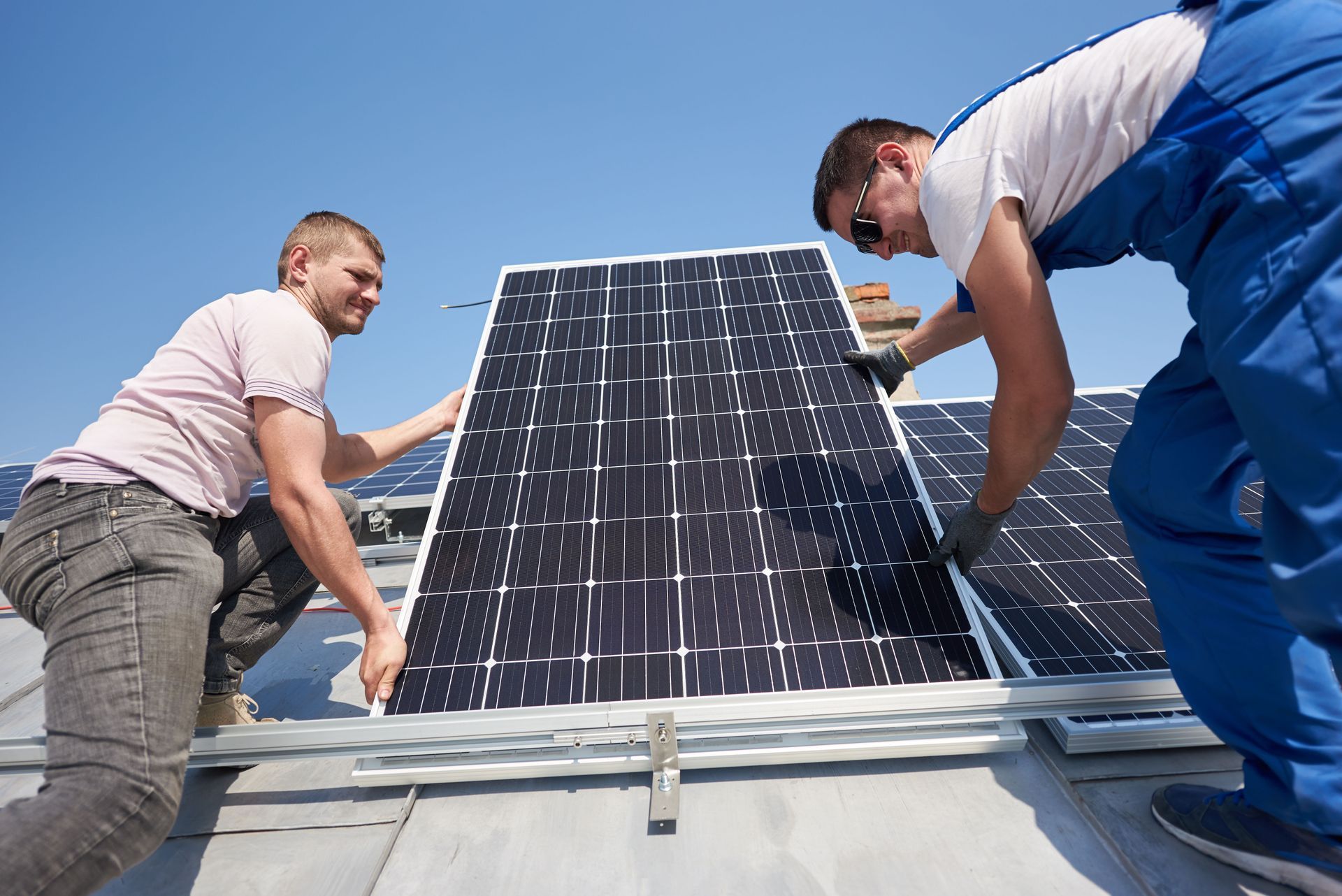
A solar assessment also gives homeowners an opportunity to discuss the steps involved in completing the project. The timeline may include equipment selection, permitting, electrical upgrades, panel installation, inspections, and system activation.
Project length depends on system size, property conditions, and permitting requirements. Discussing these stages beforehand helps homeowners establish realistic expectations.
Learning About System Components
Understanding the primary components of a solar installation makes it easier to monitor performance and recognize maintenance needs. Common equipment includes solar panels, inverters, mounting systems, electrical connections, and battery storage when included in the design.
An electrician can explain how these components work together and describe basic monitoring procedures homeowners should understand after installation.
Completing Necessary Home Preparations
Some properties require improvements before solar installation can begin. Recommendations may include repairing roofing materials, addressing electrical concerns, trimming obstructive tree branches, or clearing installation areas.
Completing these preparations ahead of time can help prevent delays and unexpected expenses. Homeowners should also understand any recommended maintenance requirements to keep their systems operating properly.
Making Informed Decisions About Your Solar Investment
A thorough solar home assessment provides valuable information about a property's electrical infrastructure, installation conditions, energy consumption, and potential production. Understanding these factors helps homeowners determine whether solar power is a practical investment and what improvements may be needed.
Working with a qualified electrician also makes it easier to understand technical requirements, evaluate equipment options, and prepare for installation. For homeowners considering renewable energy, 45th Property & Power LLC can provide professional guidance on electrical needs and solar preparation. Scheduling an assessment is a practical first step toward understanding your property's potential and making informed energy decisions.